Introduction
If you've noticed your gums are tender, swollen, or bleeding when you brush your teeth, you're not alone. Millions of adults over 40 experience gum problems, yet many don't realize there's an important distinction between two common conditions: gingivitis and periodontitis. Understanding the gingivitis versus periodontitis difference is crucial because it determines how you should treat the problem and how urgently you need professional help. Gingivitis is the early stage of gum disease—reversible with proper care—while periodontitis is advanced gum disease that causes lasting damage to the bone and tissues supporting your teeth. The good news is that catching the problem early and making informed choices about your oral health can help prevent progression. This guide will help you recognize the signs of each condition, understand what's happening in your mouth, and learn practical steps to address gum disease.
What Causes Gingivitis and Periodontitis: The Root of the Problem
Both gingivitis and periodontitis begin with the same culprit: plaque buildup on your teeth and gums. Plaque is a sticky film of bacteria that forms naturally in your mouth throughout the day. When you don't remove it through brushing and flossing, it hardens into tartar (also called calculus), which can only be removed by a dental professional. The bacteria in plaque and tartar release toxins that irritate your gum tissue, causing inflammation. This is where gingivitis starts—it's your gums' inflammatory response to bacterial invasion.
Gingivitis is entirely reversible at this stage because the infection hasn't yet damaged the underlying bone or connective tissue that anchors your teeth. With consistent brushing, flossing, and professional cleanings, you can eliminate the bacteria and restore your gums to health. However, if gingivitis is left untreated, it progresses into periodontitis. At this point, the bacterial infection has moved below the gum line and begun destroying the periodontal ligaments and bone that hold your teeth in place. A 2019 study published in the Journal of Dental Research found that approximately 42% of American adults over 30 have some form of periodontitis, with rates increasing significantly in those over 65.
Several risk factors make you more vulnerable to gum disease, including smoking, diabetes, hormonal changes, stress, poor nutrition, and genetic predisposition. Age also plays a role—your immune system's ability to fight oral bacteria naturally declines as you get older. Additionally, certain medications can reduce saliva production, which is a critical defense mechanism against harmful bacteria. Understanding these underlying causes helps explain why the gingivitis versus periodontitis difference matters so much: catching the disease at the gingivitis stage means you can reverse it before permanent damage occurs.
Recognizing the Signs: How Gingivitis and Periodontitis Differ
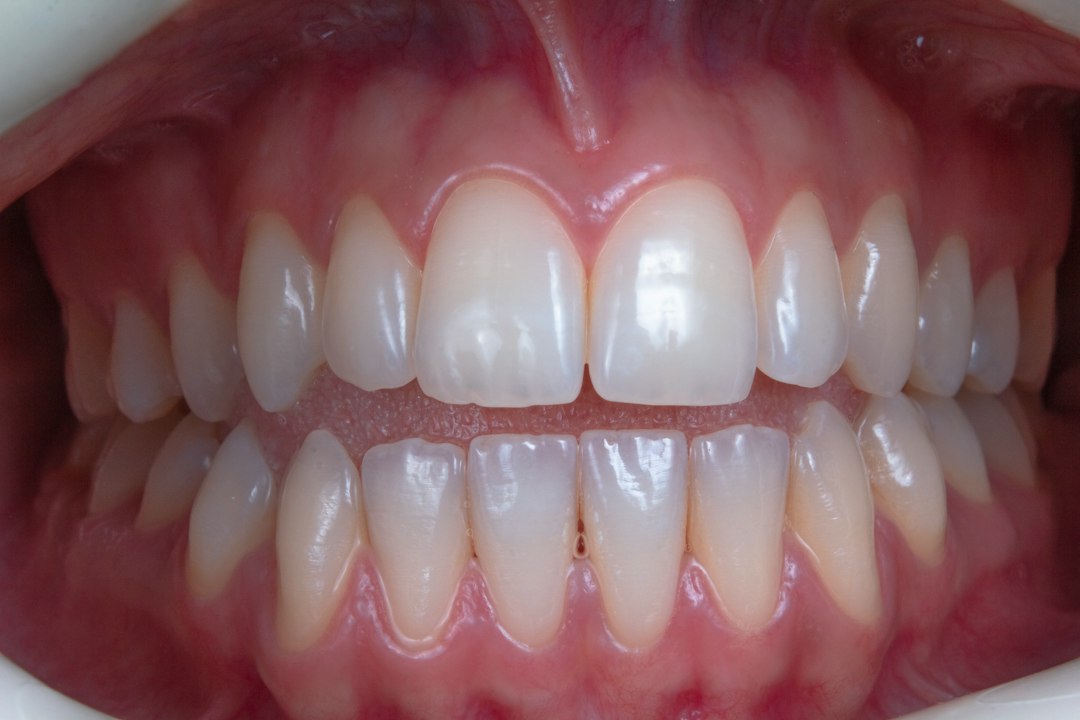
The early warning signs of gingivitis are relatively subtle, which is why many people miss them. Your gums may appear slightly redder than normal, feel puffy or tender, and bleed easily when you brush or floss—sometimes even when eating crunchy foods. You might also notice persistent bad breath that doesn't improve with mouthwash. Despite these symptoms, you typically won't experience pain, and your teeth feel perfectly secure. At the gingivitis stage, the damage is limited to the gum tissue itself; the bone underneath remains intact. A dental professional can spot gingivitis during a routine exam by looking for redness, swelling, and checking for bleeding when they gently probe around your teeth.
Periodontitis presents a more alarming set of symptoms that indicate bone loss has begun. In addition to the signs of gingivitis, you may notice your teeth feel slightly loose or shifting positions. Your bite may feel different, or your teeth may seem longer than before—this happens because your gums are receding as the underlying bone deteriorates. You might develop pockets between your teeth and gums where food and bacteria accumulate, causing persistent odor and a bad taste in your mouth. Some people experience tooth sensitivity to hot or cold foods. The critical difference is that periodontitis causes irreversible damage; even with excellent treatment, you cannot regrow bone that has been destroyed by infection.
Dentists measure the gingivitis versus periodontitis difference clinically using a periodontal probe to measure pocket depth around each tooth. Healthy gums have pockets of 1-3 millimeters. With gingivitis, pockets may be slightly deeper but typically don't exceed 4 millimeters, and there's no bone loss visible on X-rays. Periodontitis is diagnosed when pockets exceed 4 millimeters and bone loss is evident on radiographs. A 2020 study in Clinical Oral Investigations highlighted that early detection through pocket depth measurement can prevent progression in up to 90% of cases, making regular dental checkups invaluable for adults over 40.
How Gum Disease Affects Your Daily Life and Overall Health
Many people underestimate how gum disease impacts quality of life beyond the mouth. Gingivitis might seem like a minor inconvenience—bleeding gums are annoying but manageable. However, it can affect your confidence when smiling or speaking, cause discomfort while eating, and create embarrassment about chronic bad breath. The constant low-level inflammation in your mouth can also contribute to fatigue and a general sense of not feeling well.
Periodontitis has far more serious implications for your daily functioning and long-term health. Loose or shifting teeth make eating difficult and painful, potentially leading to nutritional deficiencies if you avoid harder foods. The psychological impact is significant too—tooth loss at any age affects self-esteem and social interaction. Beyond cosmetic concerns, research from the American Heart Association has established a strong link between periodontitis and cardiovascular disease, suggesting that the chronic inflammation in your mouth may contribute to systemic health problems. Studies also show connections between untreated periodontitis and increased risk of diabetes complications, respiratory infections, and adverse pregnancy outcomes. For adults over 40, where health conditions are often already present, managing gum disease becomes part of overall health management, not just dental maintenance.
Natural Approaches and Lifestyle Changes That Support Gum Health
Regardless of whether you're dealing with gingivitis or early periodontitis, lifestyle modifications form the foundation of recovery. The most important step is establishing a rigorous oral hygiene routine. Brush your teeth twice daily for at least two minutes using a soft-bristled toothbrush or electric toothbrush, which research suggests is slightly more effective at reducing plaque. More importantly, floss every single day—this is where many people fall short, yet flossing removes plaque from between teeth and below the gum line where your toothbrush cannot reach. A 2018 study in Periodontology 2000 found that adding flossing to a basic brushing routine reduced gum inflammation by approximately 34% within two weeks.
Beyond oral hygiene, stress management plays an underrated role in gum health. Chronic stress suppresses your immune function, making it harder for your body to fight oral bacteria. Incorporating stress-reduction techniques like meditation, yoga, walking, or deep breathing exercises can meaningfully impact your gum health. Similarly, if you smoke, quitting is perhaps the single most important lifestyle change you can make—smoking impairs your immune response and significantly increases the severity of gum disease and the risk of tooth loss.
Antimicrobial rinses containing chlorhexidine or essential oils can provide temporary relief and reduce bacteria when used as directed, though they shouldn't replace mechanical cleaning. Saltwater rinses are a gentler, natural alternative that can soothe inflamed gums; dissolve one-half teaspoon of salt in eight ounces of warm water and rinse gently 2-3 times daily. Avoid mouthwashes containing alcohol, which can dry out your mouth and actually promote bacterial growth. Finally, don't skip regular dental visits. Professional cleanings remove tartar that you cannot remove at home, and your dentist can catch early signs of disease progression before permanent damage occurs. For gingivitis, even one professional cleaning combined with improved home care often produces noticeable improvement within 2-3 weeks.
Nutritional Factors That Support Gum Tissue and Immune Function
Your gums are living tissue that requires specific nutrients to maintain strength and fight infection. One of the most critical nutrients for gum health is vitamin C, which supports collagen production and acts as a powerful antioxidant. Research published in the Journal of Periodontology found that people with adequate vitamin C intake had significantly lower rates of gum bleeding and disease progression. Adults over 40 often have lower vitamin C levels due to reduced dietary variety and absorption changes, making supplementation or increased intake through citrus fruits, berries, leafy greens, and bell peppers particularly important.
Vitamin D plays a crucial immune-regulating role and helps control inflammatory responses in your gums. A 2021 study in Nutrients showed that vitamin D deficiency was associated with increased periodontitis severity, and that maintaining optimal levels helped support treatment outcomes. Given that vitamin D production decreases with age and sun exposure limitations, many adults over 40 benefit from either increased sun exposure or dietary sources like fatty fish, egg yolks, and fortified dairy products. The B vitamins—particularly B6, B12, and folate—support oral tissue healing and immune function. Deficiencies in these vitamins are surprisingly common in adults over 40, especially for those on certain medications or with digestive issues affecting nutrient absorption.
Zinc is essential for immune cell function and wound healing in gum tissue. A deficiency in zinc impairs your body's ability to fight the bacteria causing gum disease and slows healing after professional treatment. Good food sources include oysters, beef, pumpkin seeds, and chickpeas. Omega-3 fatty acids reduce inflammation systemically, including in your gums and periodontal tissues. Studies consistently show that higher omega-3 intake correlates with better gum health outcomes. This is why many health professionals recommend incorporating fatty fish like salmon and sardines 2-3 times weekly. If dietary approaches alone aren't meeting your nutritional needs, targeted supplements designed to support gum health can help fill critical nutritional gaps that may be contributing to gum disease progression. Finally, adequate hydration supports saliva production, which is your mouth's natural defense against bacterial overgrowth and plaque formation.
Frequently Asked Questions
Can gingivitis be completely reversed?
Yes, gingivitis is entirely reversible if caught early and treated properly. With consistent brushing, daily flossing, and professional cleanings, most people see significant improvement within 2-3 weeks. The key is acting before the infection damages the underlying bone, which is irreversible. This is why early detection during routine dental checkups is so valuable.
How long does it take for gingivitis to become periodontitis?
The progression timeline varies significantly based on individual factors like immune function, oral hygiene habits, smoking status, and underlying health conditions. For some people, untreated gingivitis may progress to periodontitis within weeks; for others, it may take months or years. However, waiting to see if it progresses is risky—the safer approach is treating gingivitis immediately to prevent progression altogether.
If I have periodontitis, is tooth loss inevitable?
Not necessarily. While periodontitis causes irreversible bone loss, modern periodontal treatments can halt disease progression and preserve remaining teeth. Success depends on how much bone has already been destroyed, how well you follow treatment recommendations, and your ability to maintain excellent oral hygiene going forward. Some people maintain their natural teeth for life with periodontitis; others may eventually lose some teeth despite treatment.
Moving Forward With Your Gum Health
Gum disease progresses silently in many cases, which is why understanding the gingivitis versus periodontitis difference empowers you to take action before irreversible damage occurs. If you're experiencing bleeding gums, swelling, or persistent bad breath, schedule a dental appointment and consider whether nutritional gaps might be contributing to your gum problems. GumAktiv is formulated around the key nutrients discussed in this article—explore the complete ingredient breakdown to see if it aligns with your gum health strategy.