Introduction
If you've noticed your teeth looking longer or your gum line receding, you're not alone. Receding gums are one of the most common oral health concerns for adults over 40, affecting nearly one in three people in this age group. Receding gums causes prevention is a topic that deserves serious attention, because the earlier you understand what's happening and take action, the better you can protect your long-term dental health.
The good news is that receding gums don't develop overnight, and there are proven strategies to slow or even halt their progression. This article will walk you through what causes gum recession, how to spot the warning signs, and the practical steps you can take today to protect your gums. Whether you're dealing with early-stage recession or looking to prevent it altogether, understanding the root causes is your first line of defense.
Understanding Receding Gums: Causes and Risk Factors
Gum recession occurs when the gum tissue that surrounds the teeth pulls back, exposing more of the tooth surface or even the root. This isn't simply a cosmetic issue—it can lead to sensitivity, decay, and eventually tooth loss if left unaddressed. Understanding the receding gums causes prevention starts with recognizing why gums recede in the first place.
The most common cause is gum disease, particularly gingivitis and periodontitis. A 2019 study published in the Journal of Dental Research found that bacterial infection and inflammation are responsible for up to 80% of gum recession cases in adults over 40. When plaque builds up on teeth, it hardens into tartar, which irritates the gums and triggers an inflammatory response. Over time, this chronic inflammation breaks down the connective tissue holding gums in place, causing them to recede.
Aggressive brushing is another major culprit that many people overlook. Brushing too hard or using a hard-bristled toothbrush can actually damage delicate gum tissue and contribute to recession. The American Dental Association recommends using a soft-bristled brush and gentle circular motions rather than horizontal scrubbing. Genetics also play a role—some people are simply more predisposed to gum disease regardless of their oral hygiene habits. Additionally, hormonal changes (especially in women during menopause), smoking, diabetes, and misaligned teeth can all increase your risk of developing receding gums.
Recognizing the Signs and Symptoms
Early detection is crucial when it comes to gum health. The trouble is that gum recession often progresses quietly without obvious symptoms until the problem becomes more advanced. Knowing what to look for can help you catch it early and take preventive action before significant damage occurs.
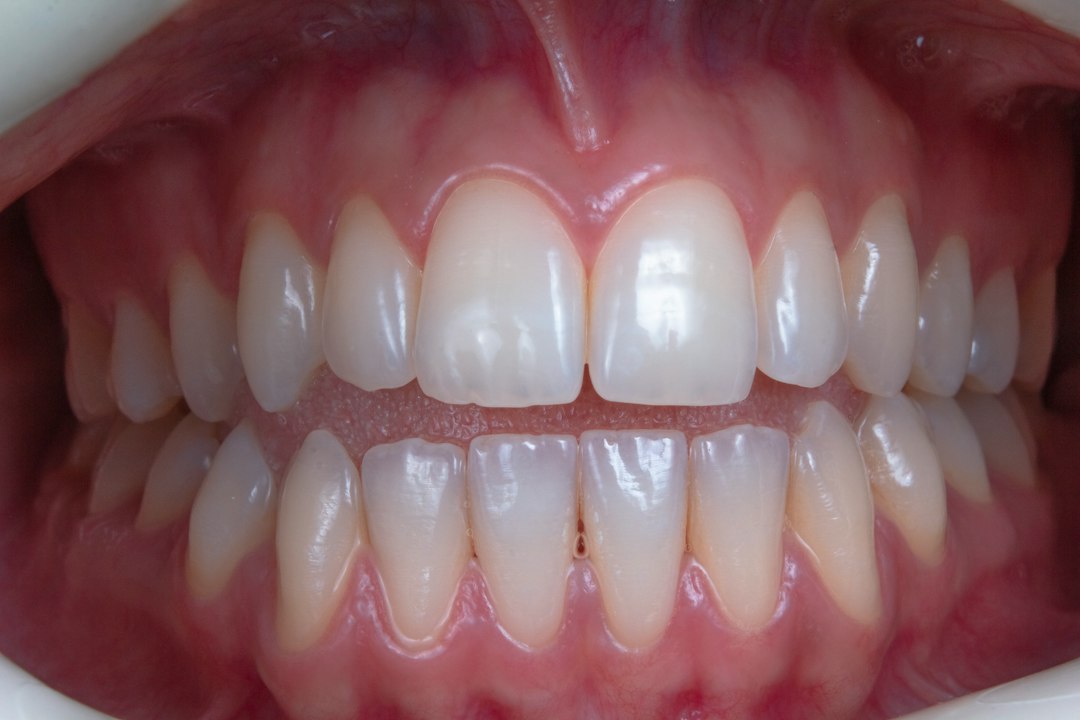
The most obvious sign is a change in your gum line. You may notice that your teeth appear longer than they used to, or there's more visible space between the gum and tooth. Some people describe it as looking in the mirror one day and noticing their smile has changed. You might also notice a small notch or indentation at the gum line, particularly near the base of the tooth.
Tooth sensitivity is another common warning sign. As gum tissue recedes and the tooth root becomes exposed, you may experience sharp pain or discomfort when eating hot, cold, or sweet foods, or when breathing in cold air. This happens because the root surface is much softer than the enamel crown and contains tiny tubules that lead directly to the nerve of the tooth. Gum bleeding during brushing or flossing, persistent bad breath, and a feeling that your gums are tender or swollen can also indicate gum recession or underlying gum disease. If you notice any combination of these symptoms, it's worth scheduling a dental checkup to assess your gum health and discuss prevention strategies.
The Impact of Receding Gums on Daily Life
Beyond the cosmetic concerns, receding gums can significantly affect your quality of life. Tooth sensitivity from exposed roots often makes eating and drinking uncomfortable. Many people find themselves avoiding their favorite foods or being cautious about what they eat in social situations. This can lead to nutritional gaps, as people often gravitate toward softer, processed foods rather than fresh fruits and vegetables.
The psychological impact shouldn't be underestimated either. Visible gum recession or tooth exposure can affect your confidence when smiling or speaking in professional or social settings. Some adults report feeling self-conscious about their appearance, which can impact their willingness to engage socially or professionally.
From a dental health perspective, exposed tooth roots are more susceptible to decay and erosion. Without the protective gum tissue, bacteria can more easily penetrate and damage the root structure. This increases the risk of cavities, root canals, and ultimately tooth loss. For this reason, addressing receding gums causes prevention early isn't just about comfort—it's about preserving your natural teeth for the long term. The financial cost of replacing missing teeth with implants or bridges far exceeds the investment in prevention and early intervention.
Natural Approaches and Lifestyle Changes
The foundation of gum health starts with daily habits. If you're currently brushing aggressively, switching to a soft-bristled toothbrush and using gentle pressure can make an immediate difference. Many people don't realize that more vigorous brushing doesn't clean better—in fact, it causes harm. Aim for a two-minute brushing session twice daily, using light pressure and small circular motions.
Flossing is equally important but often neglected. A 2020 study in Clinical Oral Investigations found that people who floss daily have significantly less gum recession than those who don't. Flossing removes plaque and food debris from between teeth where a toothbrush can't reach. If traditional floss is difficult to use, water flossers or interdental picks are effective alternatives.
Stress management may seem unrelated to gum health, but chronic stress weakens your immune system and increases inflammation throughout your body, including your gums. Regular exercise, adequate sleep, and stress-reduction practices like meditation can support your body's ability to fight gum disease. Quitting smoking is another critical step—smokers have significantly higher rates of gum disease and delayed healing after treatment.
Regular professional cleanings are essential. Even with perfect home care, tartar buildup requires professional removal. The American Dental Association recommends that people with gum disease see their dentist every three to four months rather than the standard six-month interval. If you have risk factors like diabetes or a family history of gum disease, more frequent visits may be beneficial.
Nutrition and Dietary Support for Gum Health
What you eat directly affects your gum health. Your gums need specific nutrients to maintain their structure and fight infection. Vitamin C is critical for collagen formation, which gives gum tissue its strength and resilience. A deficiency in vitamin C can lead to weakened gums and increased bleeding. Adults should aim for 75-90 mg daily through sources like citrus fruits, bell peppers, kiwi, and leafy greens.
B vitamins, particularly B3 (niacin) and B12, support gum health by reducing inflammation and promoting tissue repair. Studies have shown that people deficient in B vitamins have higher rates of gum disease. Vitamin D plays a role in immune function and calcium absorption, both important for bone density around tooth roots. A 2021 study in Nutrients journal found that vitamin D deficiency was associated with increased gum recession severity.
Minerals like calcium and magnesium are essential for maintaining the bone structure that supports your teeth and gums. Without adequate calcium, the bone around tooth roots can deteriorate, leading to loosening and recession. Zinc supports immune function and helps your body fight bacterial infections that cause gum disease. This is why many adults turn to targeted nutritional formulas—one such option is GumAktiv, which combines these key nutrients in one supplement to support gum health from within.
Anti-inflammatory foods like fatty fish rich in omega-3 fatty acids, berries, leafy greens, and nuts can help reduce gum inflammation. Conversely, sugary foods and drinks fuel harmful bacteria in your mouth and should be limited. Staying hydrated supports saliva production, which naturally protects against bacterial growth and helps maintain gum health.
Frequently Asked Questions
Can receding gums grow back on their own?
Unfortunately, gum tissue does not regenerate on its own once it has receded. However, the good news is that you can stop or slow further recession through proper oral hygiene, professional care, and addressing underlying causes. In some cases, a periodontist can perform graft procedures to restore lost gum tissue, though this is typically recommended for more severe cases. Prevention is definitely easier than treating advanced recession.
How long does it take to see results from lifestyle changes?
Gum tissue responds slowly to intervention, typically requiring 4-8 weeks to show visible improvement in inflammation and bleeding. Stopping further recession may take several months of consistent care. This is why patience and consistency with your new habits are essential. Professional cleanings combined with improved home care tend to show faster results than either approach alone.
Are there warning signs that receding gums will lead to tooth loss?
Progressive recession, increased tooth mobility, persistent deep pockets, and bone loss visible on X-rays are warning signs that you're at higher risk for tooth loss. This is why regular dental monitoring is crucial. If your dentist notices these patterns, they may recommend more aggressive treatment or more frequent professional cleanings to preserve your teeth.
Taking Action Today
Receding gums don't have to be an inevitable part of aging. By understanding the causes, recognizing early warning signs, and taking consistent action through improved oral hygiene, lifestyle changes, and nutritional support, you can significantly slow or halt progression. Start with the basics: switch to a soft toothbrush, commit to daily flossing, see your dentist regularly, and evaluate whether your diet provides adequate nutrients for gum health.
Remember that gum health is a long-term commitment, but the payoff—keeping your natural teeth healthy and functional for decades—is well worth the effort.
Dealing with gum recession and tooth sensitivity can be frustrating, especially when basic lifestyle changes aren't enough. Many adults discover that targeted nutritional support—combined with improved oral hygiene—offers meaningful results. GumAktiv is a supplement formulated specifically around the nutritional factors covered in this article. Learn more about the ingredients and see if it fits your situation.